

News

Contractors question client knowledge of safety duties in BESA survey

The latest building control gateway 2 update from the Building Safety Regulator (BSR) shows a continuing de-gumming of this new and complex process. The 12 weeks to 30 May saw an increase in approval rates across all categories of applications, including existing building safety projects, after it introduced an external remediation improvement plan in April. The plan introduced a new external remediation multidisciplinary team to mirror the Innovation Unit (IU) set up last September. This streamlines communication and processing through dedicated account managers. It also saw a recruitment drive to cut individual caseloads from an average of 25 down to around 10. For new builds, IU decisions overtook the number of new cases received in the period. Across all categories, BSR made 358 gateway 2 decisions, with a 75% approval rate. 65% of all decisions related to London cases. Applications representing 14,928 units were determined, of which 9,499 (64%) were approvals. There are currently 38,775 residential units in live cases. New applications for 13,964 units came in during the period. External remediation approvals up The IU approved 90% of cases – 28 out of 31 – in the period. London saw a 100% approval rate for its 19 case decisions. The regulator said this reflects the extra engagement with applicants. All-time IU approvals now stand at 43, with a median approval time of 22 weeks. The IU is currently managing 131 applications, representing 30,369 units. On external remediation, approval rates rose to 79% over the last 12 weeks, well above the minimum 65% end of year target for 2026. BSR credits operational improvements and intensive work to improve quality of applications. Currently, 16 legacy remediation applications from 2024 remain. A further 10 are on track to be determined in June. This is down from 42 outstanding at the beginning of 2026. BSR said the data show that 2026 applications are progressing faster than before. The average approval time is still 39 weeks in a rolling 12-week period, but BSR said this was “being skewed by our focus on closing out the older 2024/2025 applications”. People still waiting “We continue to see positive improvements in numbers of approvals for both new build and existing building remediation cases, as well as significantly faster decision times,” said acting BSR chief executive Charlie Pugsley. “This includes continued positive results from our Innovation Unit by working closely with applicants to safely resolve complex technical challenges. This positive engagement has seen a growing number of decisions and rising approval rates.” He added: “However, we recognise that people living in other unremediated buildings still want them to be fixed safely, and at pace.”
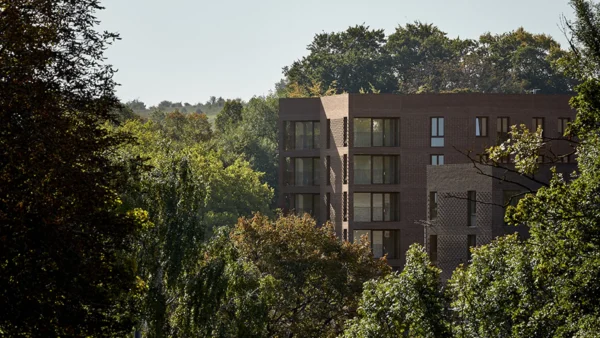
Cladding remediation underway at a UK residential high-rise. Image: Richardjohnsonuk | Dreamstime.com

Client understanding of building safety duties and responsibilities remains inconsistent, according to a survey of contractors carried out by industry group, the Building Engineering Services Association (BESA).

In the body’s third annual survey of the industry’s response to the Building Safety Act, 26% of respondents said clients were much more or slightly more willing to compromise on safety compliance when under pressure.

In addition, almost three-quarters of respondents (74%) said they had not seen any significant change in client behaviour since the Act came into force.

Safety awareness remains ‘inconsistent’

BESA said the results suggest “that awareness and understanding of responsibilities under the BSA remain inconsistent among some clients”, with one respondent saying: “Some clients still appear to be uneducated on the requirements of the Act, the additional duties and responsibilities they have.”

The report said there remained tension between commercial pressures and regulatory compliance, despite the act coming into force four years ago.

BESA’s survey did find that awareness of the Act and duties required among contractors was widespread, with nearly two-thirds of firms (64% of respondents) saying they were confident they could demonstrate their dutyholder requirements “very well”.

Difference between qualification and on site

One in three survey respondents said one of the biggest challenges was demonstrating competence in practice, stressing the real difference between holding a qualification and actually being able to do the work: 40% said competence issues were identified “frequently or occasionally”. 

Historic compliance is a “ticking timebomb”, according to some respondents, with only 30% saying they felt confident they could provide evidence of competence and compliance in projects carried out more than 10 years ago.

BESA’s director of specialist knowledge, Rachel Davidson, said: “Four years after the Act came into force, more firms are building the knowledge and behaviours needed for a safer built environment. This represents real progress and we are now moving from raising awareness to helping firms meet the assurance challenge, ie demonstrating their competence and compliance in practice.

“However, there is a level of frustration about information overload, commercial pressures and clients who are ‘not on the same page’. And there are still firms that are not engaging with the process at any level, but their ranks are shrinking.”

More than 250 companies participated in the survey.

Story for CM? Get in touch via email: [email protected]

Leave a comment

Your email address will not be published. Required fields are marked *

Latest articles in News