













In May the New Model Institute for Technology & Engineering (NMITE) announced that its Construction Management degree was moving to an accelerated two-year model. It garnered a lot of comment from the Construction Management community, primarily asking why degrees need to be shorter. Here James Newby, president and CEO of NMITE, responds.
When we announced that NMITE’s Construction Management degree was moving to an accelerated two-year model, some readers were sceptical. Why does a degree need to be shorter, and if students spend less time at university, will they leave with less knowledge, less experience and be less prepared for the workplace?
The answer isn’t that students learn less at NMITE, but they do learn differently, and we believe more effectively, and a two-year degree certainly does not mean less education

The biggest misconception about an accelerated degree is that it takes three years of traditional teaching (and low contact time) and delivers it at a faster pace, which means students can’t absorb what they learn in the same way.
We look at the problem differently and ask why a three-year degree needs many hours every week where students are not doing something purposeful; a summer holiday nearly three months long and additional multi-week holidays at Easter and Christmas.
A nine-to-five regime
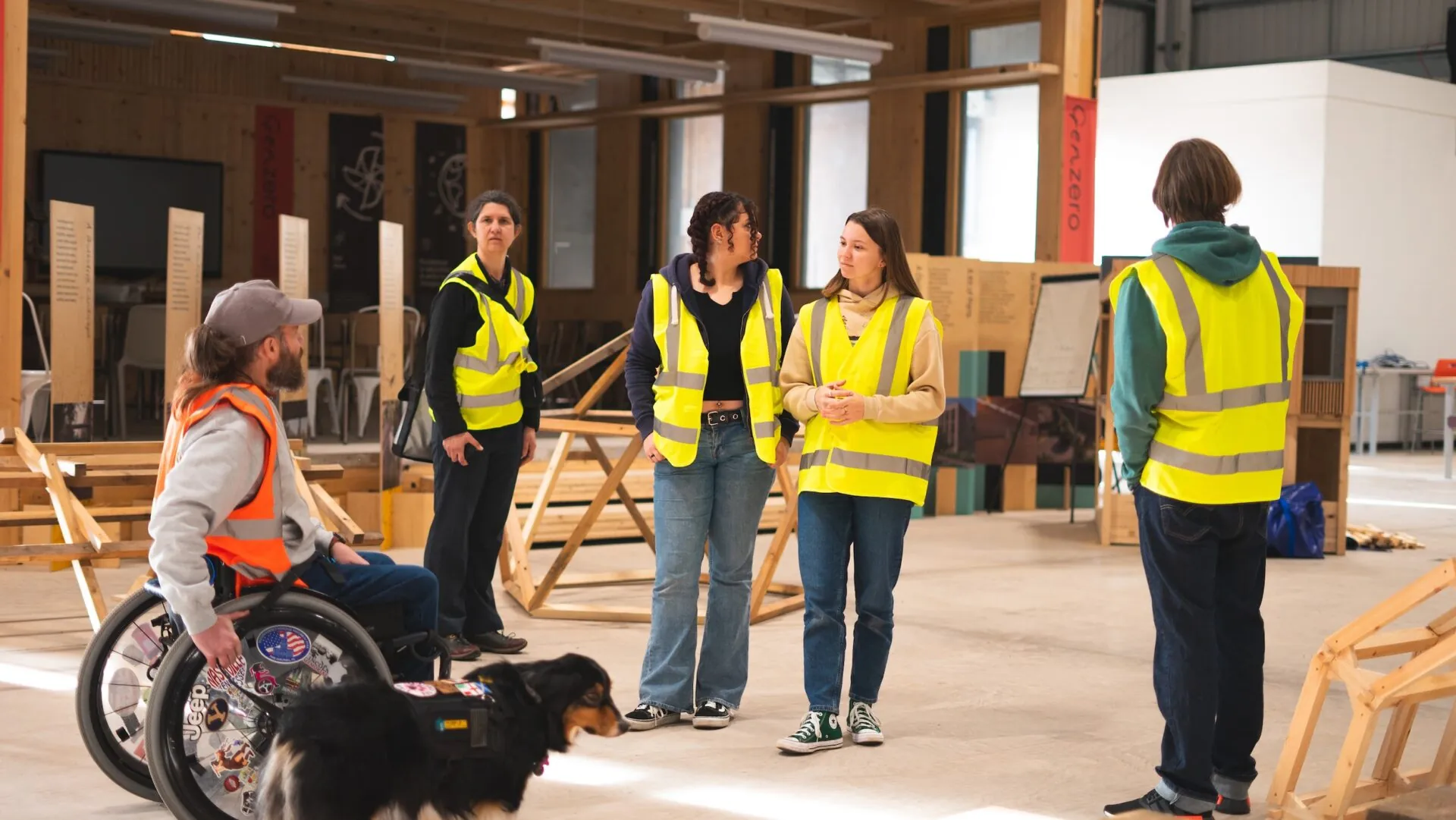
NMITE’s degrees reflect the workplace: Students study full-time, 9am to 5pm, Monday to Friday – like a job. They work in small teams, with high levels of contact with tutors, other staff and industry professionals. Rather than spreading multiple subjects across a traditional timetable, students immerse themselves in one module at a time, working through intensive blocks of learning.
Importantly, they study the same number of hours as any three-year programme; we just eliminate the long periods of “kicking your heels” that students normally experience when their degree is spread over three years.
NMITE students tackle real-world challenges, work with employers, develop projects, produce reports and specifications, solve problems, present their thinking and defend their decisions. Their assessment is designed around the kinds of work they will actually encounter in their careers, rather than relying on traditional examinations.
As for learning how things work in industry, we agree that there is no substitute for experience, and that is why industry and employers are embedded throughout the NMITE learning experience. Our Construction Management students don’t wait until the end of their degree to experience a construction project. They work with industry from the beginning, tackling challenges provided by, and therefore relevant to, the construction and built environment industry.
Lower costs and student debt
We don’t claim that our approach is right for everyone. Many students still want the big city, big university experience and the lure of long summer holidays remains strong for many. But for our students, an accelerated degree means substantially lower costs and student debt and a much quicker payback as they enter the workforce a year sooner than their peers at traditional universities.
Given that half of all student debt ends up being written off at the taxpayer’s expense, our degrees actually deliver better value for money for everyone. For employers, it means talented graduates entering an industry facing enormous skills challenges sooner. And for society, it means getting highly skilled people into sectors that desperately need them, whether that’s construction, infrastructure, housing, sustainability or the transition to net zero.
The construction industry doesn’t need graduates who have simply completed a certain number of years, but it does need people who can think, solve, adapt and deliver quality quickly. That is the challenge we have designed NMITE to address.


