









Insolvency expert Jonathan Munnery addresses one of construction’s most persistent challenges.

Few industries have such a turbulent relationship with cashflow as construction.
In fact, cashflow, or the lack of it, is one of the biggest causes of construction business failure.

Most firms are profitable and have sufficient demand, but it’s managing their ongoing and ever-changing working capital requirements that causes so many to come unstuck.
Why is cashflow so problematic in construction?
Most construction companies working on large-scale projects receive milestone payments that can be weeks or months apart. During that time, they must meet the costs of labour, materials, equipment rentals and other overheads, all of which can fluctuate.
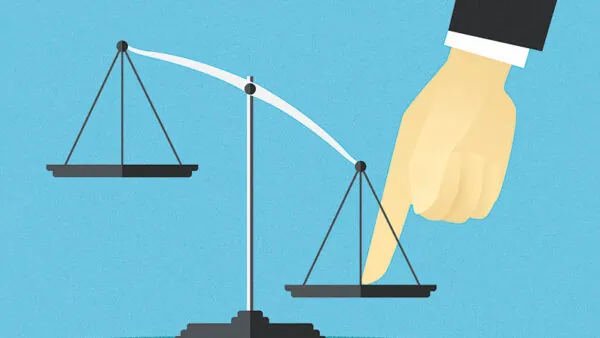
With cashflow on a knife-edge, all it takes is a minor miscalculation, an unexpected expense, or a delayed payment to push it off balance. That can lead to delays, strained subcontractor relationships and projects that stall entirely.
Even after submitting an invoice, it can take weeks or months to receive payment, with only 61% of tier-one contractors paying within 30 days. Retentions and staged or delayed payments add further pressure.
So, how can you keep cash flowing mid-project? Here are some proven solutions.
Implementing efficient billing practices will help to prevent a mid-project cash crunch in the first instance and ease an ongoing shortfall.
- Send prompt and accurate invoices – Creating a clear, repeatable invoicing process aligned to key milestones and programme dates, and appointing a dedicated person to manage invoicing and follow-ups, can help avoid delays.
- Resolve change orders promptly – Unapproved change orders often delay payment, even after the work is complete. Escalating them early and negotiating interim approvals or partial payments can keep cash moving.
- Close the payment gap – Moving from monthly to bi-weekly billing and tightening the gap between billable milestones can create steadier cashflow and remove financial pressure.
- Negotiate phased release of retention payments – Free up cash more quickly by building clear retention clauses into the contract to allow the partial or phased release of retention payments when you hit key milestones.
Many construction managers see payment renegotiation as a sign of failure. In reality, it reflects strong commercial control and shows you have identified a risk and are acting before it escalates.
For most clients, accelerated payment cycles or advance payments on long-lead materials are preferable to programme delays or contractor failure. Renegotiating terms with subcontractors and suppliers, such as split payments or early-payment discounts, can also protect working capital and keep projects moving.
Internal adjustments can be effective, but when timing is critical, short-term funding delivers fast liquidity to keep projects on track. Here are some options to explore:
- Lines of credit – Bank lines of credit offer flexibility to cover payroll, materials and overheads. They’re typically a low-cost source of capital, but can take time to arrange due to detailed financial reviews. Alternative lenders, however, may be able to provide a facility in just a few days.
- Construction-specific financing – If a line of credit isn’t an option due to limited operating history, high debt, or insufficient collateral, other solutions can keep cash flowing. For example, invoice finance can unlock funds from issued invoices almost instantly, so you don’t have to wait 30+ days for payment. Asset-based lending, on the other hand, allows you to secure a loan against company assets like vehicles or equipment. You may also have non-essential assets you can sell to keep projects moving.
If you have impending or overdue payments to suppliers, a lender, HMRC or other creditors, restructuring those debts can make them more manageable and ease cashflow. Options include:
- Informal creditor negotiations – You can reach out to creditors, explain your situation and request extra time to settle debts. That can free up the cash to keep your project on track. For example, an HMRC Time to Pay arrangement can give you up to 12 months to clear outstanding tax arrears.
- Debt consolidation – High-interest debts can quickly drain cash. Refinancing your existing debt obligations into a single repayment over a longer term at a lower interest rate can ease financial pressure and free up funds to keep your business running smoothly.
- Company Voluntary Arrangement (CVA) – If you have multiple debts and are receiving pressure from your creditors, a CVA may be a better option. This legally binding repayment plan allows you to repay multiple creditors via a single monthly payment over a typical period of three to five years.
Cashflow shortfalls are a common occurrence in construction, but with the right tools and knowledge, otherwise viable and profitable businesses should be able to solve them. By keeping a close eye on your finances and acting at the first sign of a problem, you will be able to iron out those cashflow lumps and bumps to keep your projects running smoothly.
Jonathan Munnery is a company insolvency specialist at Real Business Rescue.